

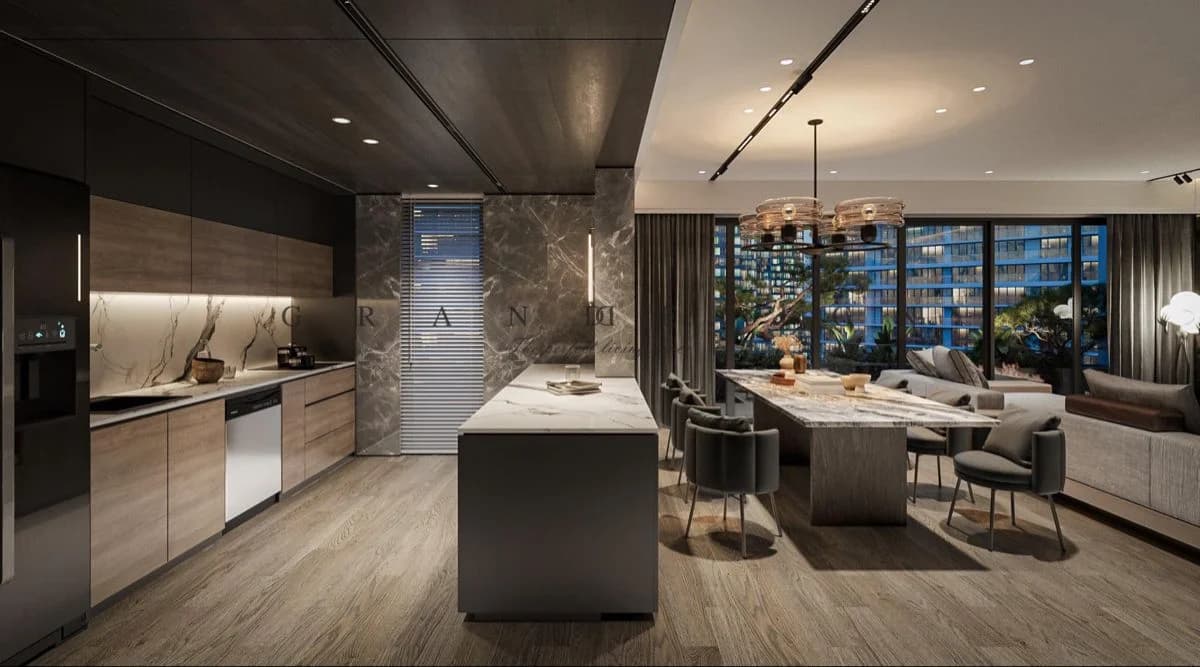
Receiving an apartment handover is the final legal milestone. Once you sign the handover report, you are accepting the apartment's complete condition as-is—any defects discovered afterward must either be covered by you or lead to exhausting disputes with the developer or management company. This is not a formality but a legally binding step, so negligence at this point will cost you time and money later.
This article summarizes 5 common mistakes that buyers typically overlook on handover day. Each error can lead to substantial repair costs, from infrastructure to equipment and fixtures. Thorough preparation will help you protect your rights and avoid unnecessary complications.
Remeasure the apartment area on day one
The permitted error margin in most contracts is 0.5%, but if you exceed this, you are entitled to adjust the price accordingly per square meter rate. For a 96 m² apartment, a 1 m² discrepancy equals roughly 37 million dong (at 37 million/m²)—a significant amount to overlook.
When measuring, use a measuring tape and measure from the inner edge of the wall, not the center. If anything doesn't match the paperwork, note it immediately in the handover report and request adjustment before signing. Measure carefully room by room, including hallways and balconies—don't rush.
Water leakage inspection is your top priority
Checking for water leaks is the most critical item, as repairs discovered later will be expensive and disruptive. In the bathroom, fill the floor with water and wait 30 minutes to observe if it drains completely. Slow drainage indicates improper floor slope, which will cause water to pool in one spot and create long-term mold and dampness.
Carefully inspect the bathroom ceiling and wall corners adjacent to the balcony. Yellow stains, peeling paint, or water marks are definite signs of leaks from the floor above. If you find any, ask the developer's representative about the cause and repair plan.
Test for sewage blockage simply: throw toilet paper into the bowl and flush. If it clogs immediately on day one, the water supply or drainage pipes have problems, and repairs will require reopening the building structure.
Check electricity and water at every outlet—don't miss a single one
Bring an electric tester pen and check all outlets in the apartment. A typical 2-bedroom apartment has 14–18 outlets; missing even one that you discover after signing means you'll pay out of pocket to rewire, potentially costing anywhere from several million to tens of millions of dong depending on location.
After checking the outlets, turn on all lights and air conditioners simultaneously to see if the circuit breaker trips. If it does, the load may exceed capacity or the electrical system may be unsafe.
To test water pressure, turn on the shower at high floors during peak hours (6–8 PM) for a realistic assessment. Pressure below 1 bar is considered weak; showering will be uncomfortable. Note any pressure irregularities in the handover report.
Inspect doors, windows, and easily overlooked details
Open and close every door in the apartment at least 3 times in succession. Squeaking doors or sudden jamming indicate misaligned hinges or faulty door frames. Though it seems minor, this will cause daily irritation, so request adjustment before signing.
Close windows tightly, then place your hand over any gaps. If you feel air leaking through, the rubber seal is worn, and during rainy and stormy seasons, water will splash inside. In coastal areas like Da Nang, pay special attention to aluminum window frames—check for rust, as salt water corrodes metal very quickly.
Allocate a full 2 hours to inspect the apartment, bring someone with professional knowledge (an engineer, builder, or experienced person), and bring all necessary tools: an electric tester pen, measuring tape, flashlight, and a roll of toilet paper. Don't rush the inspection in under 1 hour, as it's very easy to miss potential defects.
Five documents must be complete before you sign
Before signing the handover report, verify all 5 documents below:
Handover report detailing the apartment's condition (defects, finished areas, pre-installed equipment)
Equipment warranty certificate (air conditioner, kitchen appliances, water heater) clearly stating the warranty period for each item
Resident handbook with instructions for using electrical, water, and gas systems
Property management contract clearly stating the monthly management fee and services included
Receipt proving payment of 2% maintenance fund based on the apartment value (as required by law)
If any document is missing, note it in the handover report immediately and ask the developer to provide it before you sign. Requesting additional documents later will be very difficult, as the developer will say: 'You already signed the report, so we consider it accepted.'
If you discover any defect during inspection, document it in detail in the handover report before signing, along with the name and signature of the developer's representative. Don't sign first and hope for repairs later—doing so will forfeit your right to hold the developer accountable.
Prepare thoroughly to protect your rights
Apartment handover is a decisive step after a long wait. A small oversight now can result in major repair costs and future disputes with the developer. By preparing carefully, bringing all necessary tools, allocating sufficient time, and inspecting every detail, you will protect your rights and avoid unnecessary complications.


